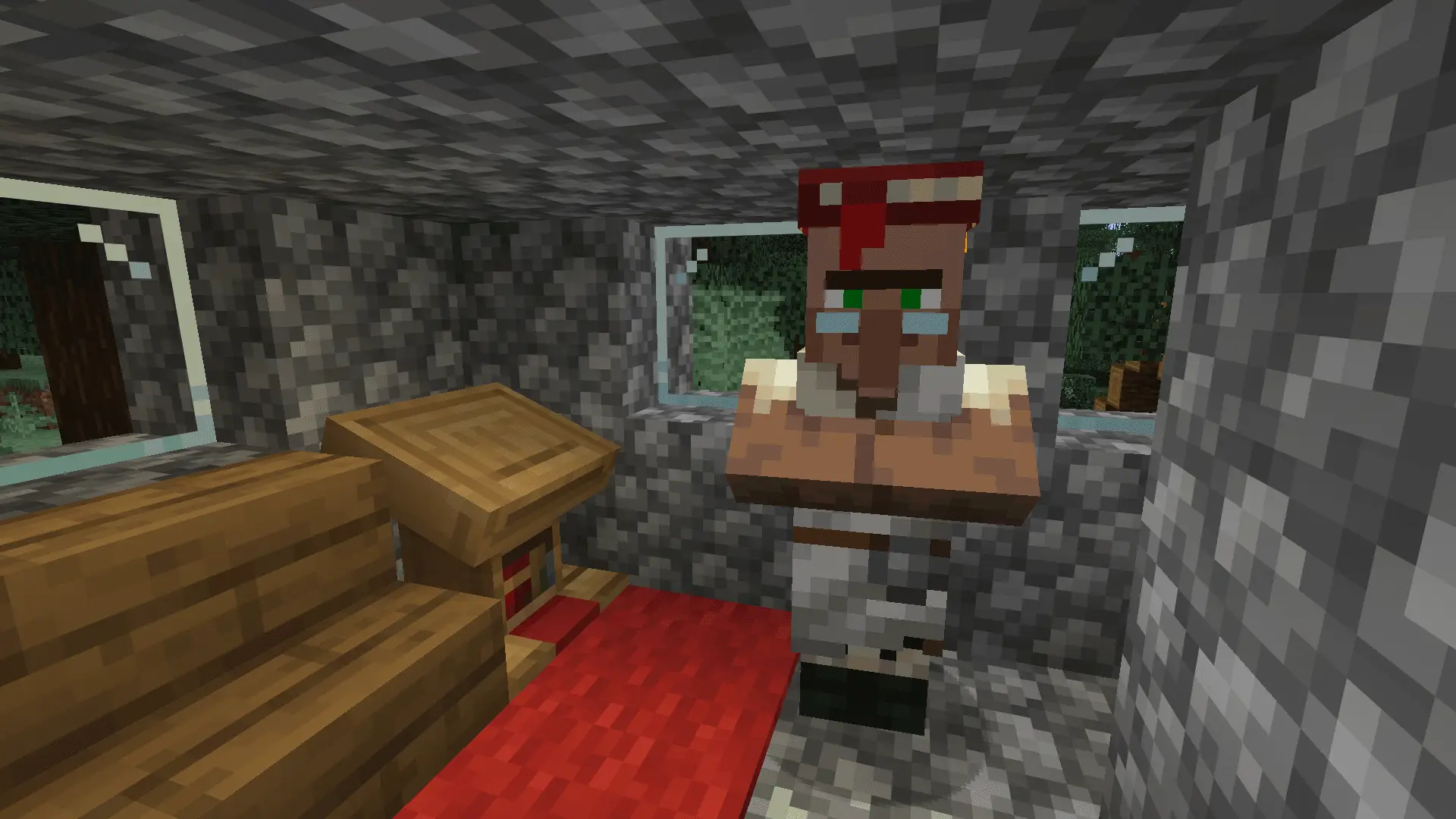
Start Your Villager Trading Hall Now
A villager trading hall is basically a shopping mall where the staff can’t leave and you control all the prices. Sounds fun, right? Yeah, that’s what we thought.
Your Villager Trading Hall Aka Shopping Mall
Sure, some people would say a village is enough, but it’s not, because without putting in some breeding work and a sneaky job manipulation scheme, you don’t have all the cool types of villagers in one place. And if you do succeed in that mission, you don’t want them to leave. So, yes, a villager trading hall it is!
What Is a Minecraft Trading Hall?
A Minecraft trading hall is a player-made structure where you park lots of villagers in small cells, each with a job site block, so you can reach many good trades in a few steps instead of chasing villagers around a village. A typical Minecraft villager trading hall has an ‘input’ where villagers arrive, a row (or several rows) of cells and some way to remove useless villagers and replace them.
Why You Should Want One
Easy: a Minecraft trading hall effectively becomes a villager trade farm. And as we know, every player loves a good farm:
- emeralds and XP on tap – spam cheap trades (sticks, crops, paper) for quick levels and gems
- easy gear and resources – some sell powerful gear and useful blocks so you mine less
- order instead of chaos – all villagers in one hallway instead of wandering around bells and beds
After you’ve used a good villager trading hall, playing without one feels like doing your weekly shopping by running between five different villages in different biomes on foot. And then on your way home realizing you forgot something.
Planning Your Villager Trading Hall Build
Before you start your villager trading hall build, decide whether you want a tiny starter setup or a big villager trading hall that covers every profession. You don’t need a perfect villager trading hall schematic: a straight corridor with a few repeatable cells is enough to begin.
Core villager trading hall requirements:
- 1x workstation per villager
- safe, lit cells preventing zombie attacks and hostile mob spawns
- path to the workstation (villagers must be able to reach their job site block during the day)
- beds only if needed: for pure trading they mostly just need workstations, but beds matter for breeding and iron golem spawning
How big should it be?
- starter: 5–10 villagers (farmer, fletcher, 2–3 librarians, maybe a toolsmith)
- mid-game: 20–30 villagers, enough to cover all professions, some more than once
- end-game / big villager trading hall: 40+ villagers in multiple wings or floors
The Best Villagers to Have in a Minecraft Trading Hall
Common priorities for the best villagers to have in a Minecraft trading hall often include:
- librarian (enchanted books, bookshelves, glass, lanterns)
- farmer (easy emeralds with crops, golden carrots)
- fletcher (sticks for emeralds, arrows)
- toolsmith / weaponsmith / armorer (diamond tools and armor in many versions)
- mason (terracotta, stone variants, bricks)
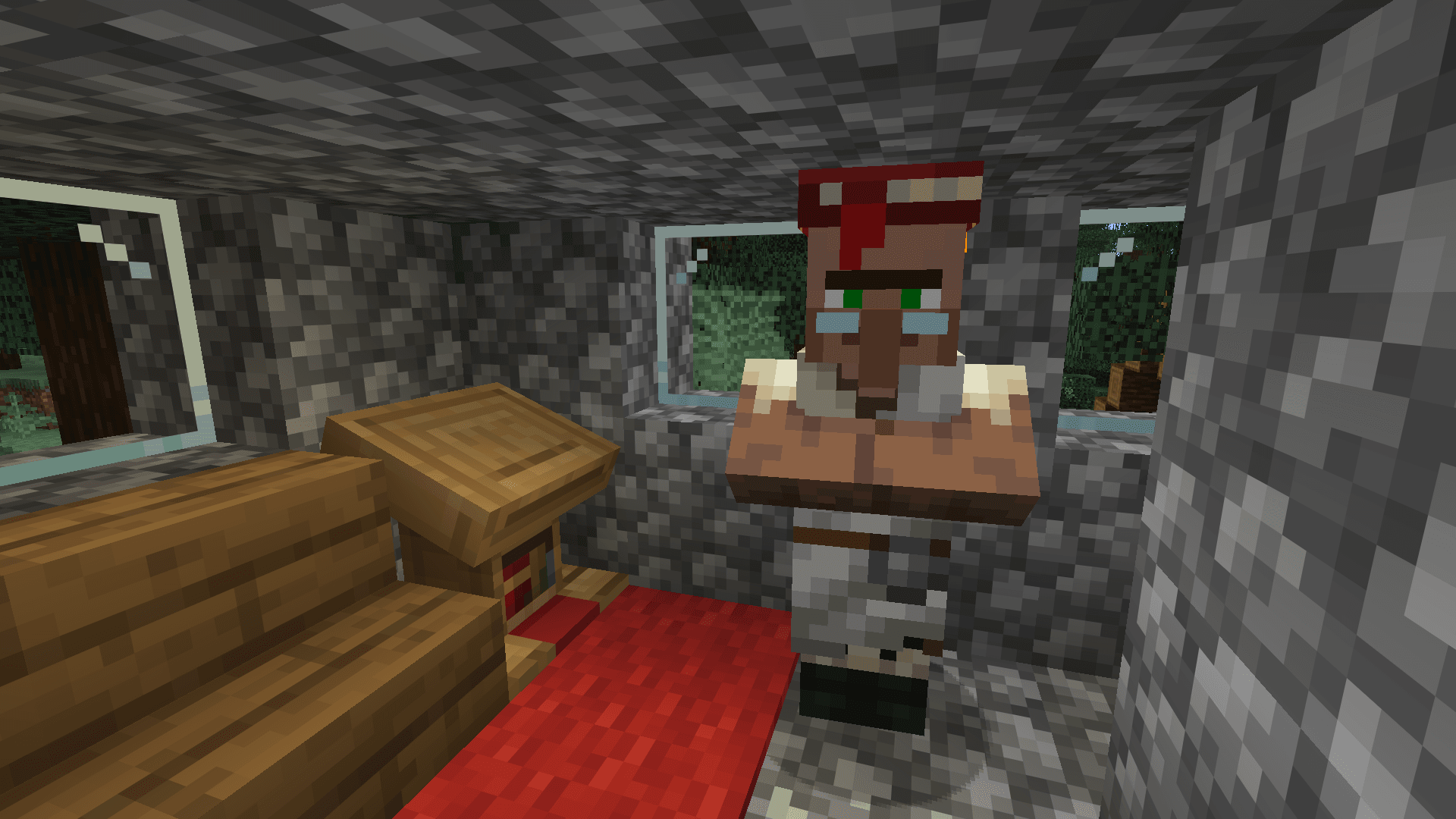
Of course, it is subjective and it depends on your plans for the world. You’ll need less armor if you want to start a farm with some horses, cows and llamas on ‘peaceful’ than in a world where you plan to defeat every hostile mob and boss.
Some Villager Trading Hall Design Ideas
Once it works, it’s time to make it pretty. There are countless villager trading hall designs, from cozy markets to futuristic factories, and you can easily mix them with other base styles you know from house, castle or greenhouse builds.
Here are some villager trading hall ideas:
- Market street: Turn each cell into a tiny stall with awnings, barrels and signs. Great if your base already looks like a medieval town.
- Underground villager trading hall: You’re more of a secretive player? Carve a tunnel in stone or deepslate, add moss, lanterns and maybe glass floors over caves; perfect if you want the noisy other villagers out of sight.
- Industrial hall: Or a little steam punk influence? The industrial hall is your go-to version: stone, iron blocks and copper, with visible rails and redstone, so the whole thing looks like an emerald factory.
FAQ – Villager Trading Hall
How to make a villager trading hall?
Set up a breeder or curing area, build a corridor with small cells, move villagers into those cells, give each one a workstation and light, then reroll and lock in good trades before expanding into more modules.
How many villagers should you have in a Minecraft trading hall?
A small hall with 5–10 villagers covers the basics, mid-game halls often go to 20–30 and only huge, late-game players really need a big villager trading hall with 40+ villagers.
What are villager trading hall requirements?
You mainly need one workstation per villager, safe and well-lit cells, a layout that lets villagers reach their job sites to restock and a location that doesn’t break existing villages or iron farms.
Which are the best villagers to have in a trading hall?
Most discussions agree on librarians, farmers, fletchers, toolsmiths, weaponsmiths and masons first, because they offer strong gear, easy emeralds and useful building blocks.
Your Prison Mall, Your Rules
A villager trading hall is the moment your world quietly flips from ‘survival’ to ‘I own a supermarket’. With a small easy trading hall you already get cheap emeralds and gear – with a bigger build and smarter villager trading hall designs you end up running a fully automated, slightly unethical shopping centre under your base. So start small, upgrade later and don’t stress over the perfect villager trading hall schematic on day one. Future-you, swimming in enchanted books and golden carrots on your Minecraft server from GPORTAL, will absolutely forgive today-you for locking 20 villagers into an underground mall and calling it ‘efficient urban planning’. Trust us, we did.


